Rolling Stone 500 Greatest of All Time Album Art
"The 500 Greatest Albums of All Fourth dimension" is a recurring opinion survey and music ranking of the finest albums in history, compiled by the American magazine Rolling Stone. It is based on weighted votes from selected musicians, critics, and industry figures. The first list was published in a special issue of the mag in 2003 and a related volume in 2005.[one]
Critics accept accused the lists of lending disproportionate weight to artists of particular races and genders. In the original list, most of the selections were albums past white Anglo-American male person rock musicians, with the top position held by the Beatles' Sgt. Pepper's Lonely Hearts Order Band (1967). In 2012, Rolling Stone published a revised edition, drawing on the original and a later on survey of albums released up until the early 2000s.[2]
Another updated edition of the list was published in 2020, with 154 new entries non in either of the 2 previous editions. It was based on a new survey and does non cistron in the surveys that were conducted for the previous lists. This time, the list featured more blackness and female artists, topped by Marvin Gaye'southward What's Going On (1971).[2] Information technology received similar criticisms as the prior lists.[3]
Groundwork [edit]

The Beatles (pictured in 1964) had nine albums on the list
The showtime version of the list, published as a magazine in November 2003, was based on the votes of 273 rock musicians, critics, and industry figures, each of whom submitted a ranked listing of l albums. The bookkeeping firm Ernst & Young devised a betoken system to weigh votes for 1,600 submitted titles.[four] The Beatles' 1967 album Sgt. Pepper'southward Lone Hearts Club Band topped the listing, with Rolling Stone 'southward editors describing it as "the most important stone 'n' coil album always made".[5] The Embankment Boys' Pet Sounds (1966) was ranked 2nd in recognition of its influence on Sgt. Pepper.[6] The listing also included compilations and "greatest hits" collections.[4]
An amended listing was released every bit a book in 2005, with an introduction by guitarist Steven Van Zandt. Some compilation albums were removed, and Robert Johnson'south The Complete Recordings was substituted for both of his King of the Delta Blues Singers volumes, making room for a total of eight new entries on the list.[ full citation needed ] [nb 1]
On May 31, 2012, Rolling Stone published a revised list, drawing on the original and a later survey of albums up until the early 2000s.[seven] It was made available in "bookazine" format on newsstands in the U.s.a. from April 27 to July 25. The new list contained 38 albums not present in the previous one, sixteen of them released after 2003. The acme listings remained unchanged.[ citation needed ]
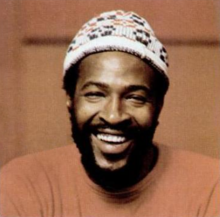
Most of the albums on the initial lists were past white male rock musicians. Amongst the top 50 rankings, simply 12 entries were by artists of non-white ethnicity, none of whom were female, and just three albums by white women figured in the top 50.[two]
On September 22, 2020, some other revision of the listing was published. It drew upon a new survey conducted with "more than 300 artists, producers, critics, and music-industry figures", including:[viii]
- Craig Kallman
- Beyoncé
- Taylor Swift
- Billie Eilish
- H.Due east.R.
- Tierra Whack
- Lindsey Jordan
- Adam Clayton
- The Edge
- Raekwon
- Gene Simmons
- Stevie Nicks
Each voter was asked to submit a ranked list of 50 favorite albums.[9] This time, the list favored black and female musicians, with many such artists represented at higher rankings than on the previous lists.[2] 86 of the entries were 21st-century releases. 1 hundred 50-iv new entries were non on either of the two previous editions, and rap albums figured three times as much.[x] Marvin Gaye'south What's Going On (1971) was featured at the number one spot.[viii]
Reception [edit]
The original Rolling Stone 500 was criticized for beingness male-dominated, outmoded and virtually entirely Anglo-American in focus.[11] [12] Writing in USA Today newspaper, Edna Gundersen described the list as predictable and "weighted toward testosterone-fueled vintage rock".[4] Following the publicity surrounding the list, rock critic Jim DeRogatis, a former Rolling Rock editor, published Kill Your Idols: A New Generation of Stone Writers Reconsiders the Classics in 2004. The book featured a number of critics arguing against the loftier evaluation of various "nifty" albums, many of which had been included in the list.[13]
Jonny Sharp, a contributor to NME 'south ain 500 greatest albums list, described the 2012 Rolling Stone listing as a "soulless, canon-centric [list] of the same tired old titles," noting: "looking at their 500, when the simply album in their pinnacle ten less than 40 years erstwhile is London Calling, I think I prefer the NME's less critically-correct approach."[14]
Responding to the 2020 revision, Consequence of Sound 'southward Alex Young wrote that the lesser representation of white male rock musicians was "the biggest takeaway".[ii] Co-ordinate to CNN'south Leah Asmelash, "The change represents a massive shift for the magazine, moving to recognize more contemporary albums and a wider range of tastes."[15]
InsideHook 's Bonnie Stiernberg questioned whether the editors had fabricated adjustments to the numbered rankings instead of presenting the true results, citing her own experience of helping to compile such lists.[three] She reported that the listing "sparked plenty of debate, angering rockist Boomers and causing cynics to question whether certain albums made the cut because they're really that great or because they happen to be made by someone who isn't a white man".[3]
Statistics [edit]
Number of albums from each decade [edit]
| Decade | Number of albums | Percentage |
|---|---|---|
| 1950s | 29 | five.8% |
| 1960s | 126 | 25.2% |
| 1970s | 183 | 36.6% |
| 1980s | 88 | 17.6% |
| 1990s | 61 | 12.two% |
| 2000s | xiii | two.6% |
| Decade | Number of albums | Pct |
|---|---|---|
| 1950s | 10 | 2.0% |
| 1960s | 105 | 21.0% |
| 1970s | 186 | 37.2% |
| 1980s | 84 | 16.8% |
| 1990s | 73 | xiv.vi% |
| 2000s | xl | eight.0% |
| 2010s | ii | 0.four% |
| Decade | Number of albums | Percentage |
|---|---|---|
| 1950s | 9 | ane.viii% |
| 1960s | 74 | 14.8% |
| 1970s | 157 | 31.4% |
| 1980s | 71 | 14.2% |
| 1990s | 103 | 20.half dozen% |
| 2000s | 50 | 10.0% |
| 2010s | 36 | 7.2% |
Artists with the most albums [edit]
The post-obit tabular array lists the artists who had at least three albums included on at least one edition of the listing.
| Artist | Full number of albums by artist | Notes | ||
|---|---|---|---|---|
| 2020 | 2012 | 2003 | ||
| The Beatles | 9 | 10 | 10 |
|
| Bob Dylan | 8 | eleven | 11 |
|
| Neil Young | vii | vi | 6 | 2003/2012/2020: Counts include 1 anthology credited to Crosby, Stills, Nash & Young and two credited to Neil Young & Crazy Horse. |
| The Rolling Stones | 6 | 10 | 10 | 2003/2012: One album in the top 10 at no. 7. |
| Kanye West | 6 | 3 | N/A | |
| David Bowie | v | five | half dozen | |
| Led Zeppelin | 5 | 5 | v | |
| Bruce Springsteen | 5 | vii | 8 | |
| Aretha Franklin | 4 | two | 2 | |
| Joni Mitchell | four | 2 | 2 | 2020: One anthology in the acme 10, at no. 3. |
| Pink Floyd | 4 | 4 | 4 | |
| Prince | iv | 4 | four |
|
| Radiohead | 4 | 5 | 3 | |
| The Velvet Hole-and-corner | 4 | iv | iv | 2003/2012/2020: Count includes one album credited to the Velvet Underground & Nico. |
| The Who | 4 | 7 | 7 | |
| Stevie Wonder | 4 | iv | 4 | 2020: One anthology in the top x, at no. 4. |
| Fiona Apple | 3 | 0 | 0 | |
| The Band | iii | 3 | 3 | 2003/2012/2020: Count includes one anthology credited to Bob Dylan & the Ring. |
| The Beach Boys | 3 | three | iii | 2003/2012/2020: Ane album in the tiptop ten, at no. 2. |
| Beastie Boys | 3 | 2 | 2 | |
| Beyoncé | 3 | 0 | 0 | 2020: Count includes one album as a member of Destiny's Child. |
| Large Star | iii | iii | three | |
| Black Sabbath | 3 | 3 | 3 | |
| James Chocolate-brown | 3 | 3 | 3 | |
| The Clash | 3 | 3 | three | 2003/2012: One album in the top 10, at no. viii. |
| George Clinton | three | 3 | 3 | 2003/2012/2020: Counts include ii albums as a fellow member of Funkadelic, ane with Parliament. |
| D'Angelo | 3 | i | 1 | 2020: Counts include one album equally D'Angelo and the Vanguard. |
| Marvin Gaye | 3 | three | 3 |
|
| Al Greenish | 3 | iii | iii | |
| Janet Jackson | 3 | 2 | ii | |
| Michael Jackson | 3 | 3 | 3 | |
| Jay-Z | 3 | 3 | two | |
| Kendrick Lamar | 3 | 0 | North/A | |
| Madonna | 3 | 3 | 4 | |
| Bob Marley and the Wailers | 3 | 4 | 5 | |
| Nirvana | 3 | 3 | iii |
|
| Outkast | iii | ii | 1 | |
| Pavement | 3 | 2 | 2 | |
| Tom Petty | iii | 1 | 1 | 2003/2012/2020: Each count include i album equally Tom Little and the Heartbreakers. |
| Elvis Presley | 3 | three | 3 | |
| Sly and the Family unit Stone | 3 | four | four | |
| James Brown | two | ii | 4 | |
| The Byrds | 2 | 4 | five | |
| Ray Charles | 2 | three | 3 | |
| Elvis Costello | two | 4 | 4 | 2003/2012: Counts include i album as Elvis Costello & the Attractions. |
| Creedence Clearwater Revival | 2 | two | 3 | |
| Miles Davis | ii | three | 3 | |
| Eminem | two | two | iii | |
| Grateful Dead | 2 | 4 | iv | |
| Elton John | ii | 5 | half dozen | |
| The Kinks | 2 | 3 | iii | |
| Public Enemy | two | two | 3 | |
| R.Due east.M. | 2 | three | 3 | |
| Otis Redding | ii | four | 4 | |
| Roxy Music | 2 | 2 | iv | |
| Steely Dan | two | three | 3 | |
| The Stooges | 2 | iii | 3 | |
| Talking Heads | 2 | 4 | 4 | |
| U2 | 2 | 5 | 5 | |
| Cream | one | iii | 3 | |
| The Doors | ane | three | 3 | |
| Nick Drake | one | i | 3 | |
| Randy Newman | 1 | iii | iii | |
| The Police | 1 | iv | four | |
| Simon & Garfunkel | 1 | three | 4 | |
| The Smiths | 1 | 4 | 4 | |
| Tom Waits | i | 3 | iii | |
| Dirty Waters | ane | 3 | iii | |
| Jackson Browne | 0 | ii | 3 | |
Run into also [edit]
- Album era
- All Time Top g Albums
- Critic's Choice: Top 200 Albums
- NME's The 500 Greatest Albums of All Time
- 1001 Albums You Must Hear Before You Die
- Rolling Stone's 500 Greatest Songs of All Time
- Rolling Stone'southward 100 Greatest Songwriters of All Time
- Rolling Stone'south 100 Greatest Artists of All Fourth dimension
Notes [edit]
- ^ The Complete Recordings was reinstated to the list in the 2012 edition.[ citation needed ]
References [edit]
- ^ Levy, Joe; Van Zandt, Steven, eds. (2006) [2005]. Rolling Stone 500 Greatest Albums of All Time (tertiary ed.). London: Turnaround. ISBNi-932958-61-4. OCLC 70672814.
Related news articles:- "The 500 Greatest Albums of All Time". Rolling Stone. No. 937. Straight Arrow. December 11, 2003. pp. 83–178. ISSN 0035-791X. OCLC 1787396.
- "500 Greatest Albums of All Fourth dimension". rollingstone.com. Rolling Stone. Retrieved 2010-07-01 .
- ^ a b c d e "Rolling Stone updated its Top 500 Albums of All Fourth dimension list so it's no longer only white dudes". Consequence of Sound. 2020-09-22. Retrieved 2020-09-28 .
- ^ a b c Stiernberg, Bonnie (September 23, 2020). "Does the World Really Need Another 'Greatest Albums of All Time' List?". InsideHook . Retrieved September 28, 2020.
- ^ a b c "Information technology's Certainly a Thrill: Sgt. Pepper Is Best Album", USA Today, November 17, 2003.
- ^ Sawyers, June Skinner, ed. (2006). Read the Beatles: Classic and New Writings on the Beatles, Their Legacy, and Why They Nonetheless Matter. New York: Penguin. p. 97. ISBN978-0-xiv-303732-iii.
- ^ Jones, Carys Wyn (2016) [2008]. The Rock Catechism: Approved Values in the Reception of Stone Albums. Abingdon, United kingdom of great britain and northern ireland: Routledge. p. 57. ISBN978-0-7546-6244-0.
- ^ "500 Greatest Albums of All Time". Rolling Stone. May 31, 2012. Retrieved 2016-10-24 .
- ^ a b "The 500 Greatest Albums of All Time". Rolling Stone. September 22, 2020. Retrieved September 22, 2020.
- ^ "Who Voted for the 500 Greatest Albums?". Rolling Rock. September 22, 2020. Retrieved April 30, 2020.
- ^ Henderson, Cydney. "Beach Boys, Beatles, Beyoncé top Rolling Stone's new 500 Greatest Albums of All Time". USA TODAY . Retrieved 2020-ten-24 .
- ^ Biron, Dean. 2011. Towards a Pop Music Criticism of Replenishment. Popular Music & Society, 34/five: 661–682.
- ^ Schmutz, Vaughan. 2005. Retrospective Disquisitional Consecration in Popular Music: Rolling Rock's Greatest Albums of All Fourth dimension. American Behavioral Scientist, 48/eleven: 1510–1523.
- ^ (ISBN 1-56980-276-9)
- ^ Sharp, Johnny (October 24, 2013). "Mission Impossible: My 'NME 500 Greatest Albums' Voting Hell". The Quietus . Retrieved Jan 1, 2020.
- ^ Leah Asmelash. "Rolling Rock places Marvin Gaye at the peak of its new, less rock heavy listing of the best albums ever". CNN . Retrieved 2020-09-28 .
Farther reading [edit]
- Paul Donoughue, "Rolling Stone's 500 'greatest albums of all time' list makes us question the pregnant of classic", Australian Dissemination Corporation, September 26, 2020.
- "Net reacts to Rolling Stone'southward more than inclusive 500 Greatest Albums list", Radio X, September 24, 2020.
- "'Rolling Stone' Updates Its List of the Greatest Albums of All Fourth dimension", National Public Radio, September 25, 2020.
- Sheldon Pearce, "The Futility of Rolling Stone's All-time-Albums List", The New Yorker, October two, 2020.
External links [edit]
- 500 Greatest Albums of All Time (2012 edition) past Rolling Rock
- 500 Greatest Albums of All Fourth dimension (2020 edition) by Rolling Stone
Source: https://en.wikipedia.org/wiki/Rolling_Stone%27s_500_Greatest_Albums_of_All_Time
0 Response to "Rolling Stone 500 Greatest of All Time Album Art"
Post a Comment